
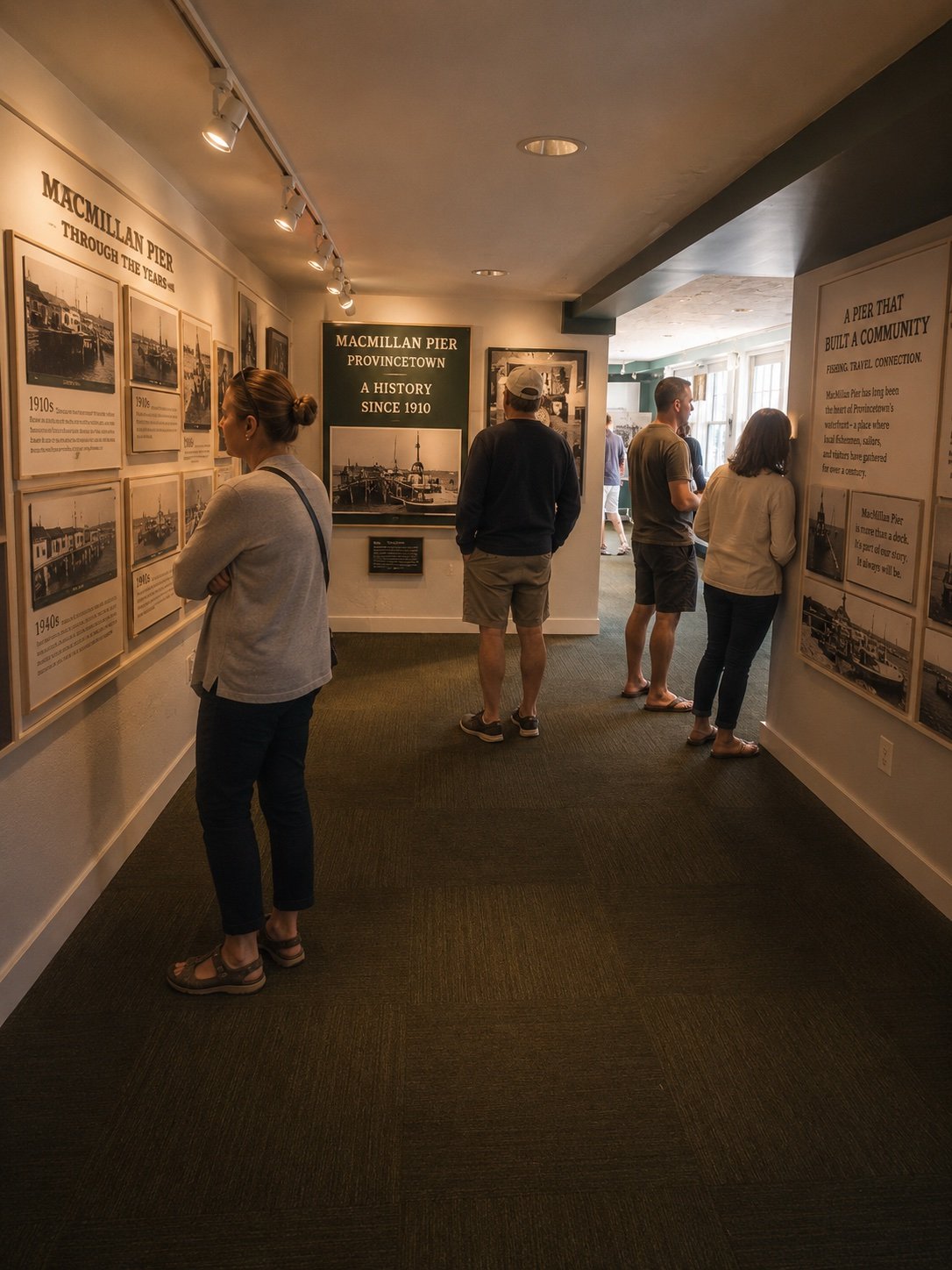
The History Of MacMillan Pier
Where Journeys Begin
A Brief History of MacMillan Pier
Provincetown, Massachusetts
Stretching into the waters of Provincetown Harbor, MacMillan Pier has long stood as both a working waterfront and a point of departure. For over 150 years, it has connected this small Outer Cape town to the wider world—serving fishermen, travelers, artists, and explorers alike.
The Railroad Wharf (1873)
The story begins in 1873, when the Old Colony Railroad Wharf was constructed at the end of what is now MacMillan Pier.
At a time when Provincetown was one of the busiest fishing ports in the United States, the railroad extended directly onto the wharf. Fresh catches of cod, mackerel, and shellfish were unloaded from fishing vessels and transferred straight into railcars bound for Boston and New York.
This direct link transformed Provincetown into a vital economic hub—bridging a remote coastal village with major urban markets.
A Harbor of Wharves & Hard Work
In the late 1800s, Provincetown Harbor was lined with more than 50 active wharves. The waterfront was alive with activity:
Fishing fleets returning daily with their catch
Steamships bringing visitors and goods
Artists capturing the light and movement of the harbor
But powerful coastal storms—most notably the devastating Portland Gale of 1898—destroyed many of these structures. Over time, only a few endured, with the railroad wharf remaining one of the most significant.
From Working Wharf to Exploration Gateway
In the early 20th century, the wharf entered a new chapter, one that would tie Provincetown to the farthest reaches of the Arctic.
It was renamed for Donald Baxter MacMillan, a Provincetown native whose expeditions would bring international recognition to this small harbor.
From this very pier, MacMillan launched decades of Arctic exploration aboard the Schooner Bowdoin. Beginning in the early 1900s, he led more than 30 expeditions north, studying geography, climate, and Inuit life at a time when much of the Arctic remained unknown.
His early work with the Crocker Land Expedition helped establish his reputation as one of America’s leading explorers, and his long partnership with the National Geographic Society brought his discoveries to the world.
MacMillan Pier became more than a dock—it became a base of operations for exploration, where ships were provisioned, crews assembled, and journeys into the unknown began.
War, Industry, and Evolution (1920s–1950s)
As Provincetown evolved, so did the pier. A more formal structure took shape in the early 20th century, culminating in a major mid-century buildout that allowed larger vessels to dock.
During World War II, the pier served strategic purposes, supporting U.S. Navy and Coast Guard operations and reinforcing its role as a critical maritime asset.
Rebuilding the Waterfront (Late 1900s–2000s)
By the late 20th century, time and tide had taken their toll. Aging infrastructure and repeated storm exposure led to significant deterioration.
In response, Provincetown undertook a major reconstruction effort in the late 1990s, followed by a transformative expansion between 2003 and 2005. The modern MacMillan Pier emerged—wider, stronger, and designed to serve both its working waterfront and growing visitor population.
Discovery Close to Home: The Whydah Shipwreck
While MacMillan Pier launched expeditions to the Arctic, it also became part of one of the most important maritime discoveries ever made off Cape Cod.
In 1984, underwater explorer Barry Clifford discovered the wreck of the Whydah Gally just off the coast of Provincetown—the only fully authenticated pirate shipwreck ever recovered.
Originally captured and commanded by the infamous pirate Samuel Bellamy, the Whydah sank in a violent storm in 1717, not far from where MacMillan Pier now stands.
Clifford’s discovery brought global attention to Provincetown once again—proving that the waters surrounding the pier still held stories waiting to be uncovered.
Today, artifacts from the Whydah serve as a powerful reminder that this harbor has long been a place of risk, adventure, and discovery.
A Living Pier: Culture, Commerce & Community
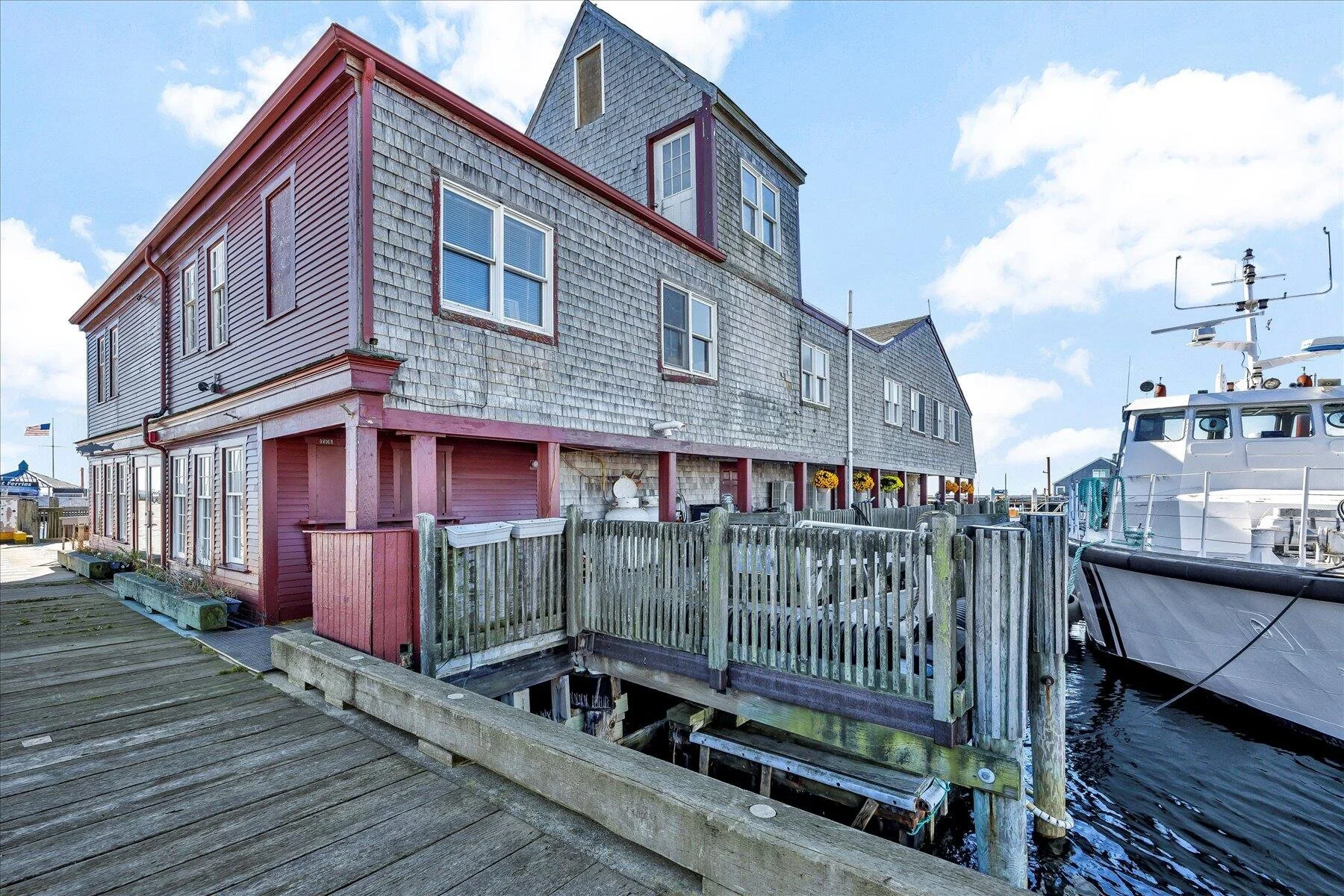
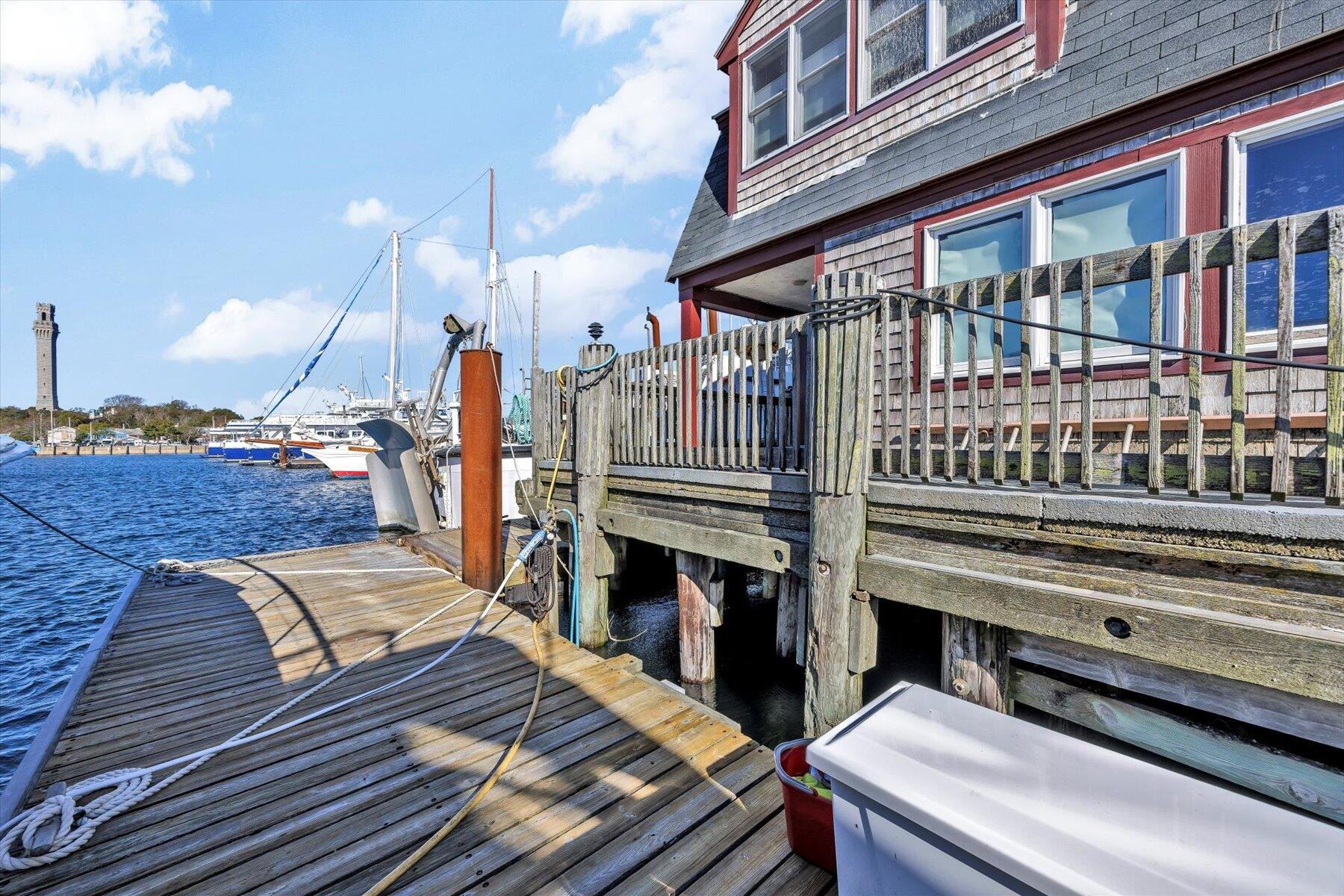
Today, MacMillan Pier is the beating heart of Provincetown’s waterfront.
Commercial fishing vessels continuing centuries-old traditions
Ferries connecting Provincetown to Boston and beyond
Explorers Landing Event Center
Whale watch boats and harbor excursions
Local artists through the Trap Shed program
Visitors exploring shops, events, and sweeping ocean views
Modern upgrades continue to strengthen the pier against storms and rising seas, ensuring it remains a vital part of the town’s future.
MacMillan Pier Today
What began as a railroad wharf has become something far greater—a symbol of Provincetown itself.
A place where….
Industry built a community.
Exploration expanded the horizon.
Discovery continues, both near and far.
From fishermen to pirates…
from Arctic explorers to modern travelers…
MacMillan Pier remains what it has always been…. A place where journeys begin.
“At the edge of MacMillan Pier, the story of Provincetown doesn’t end—it sets sail.”